

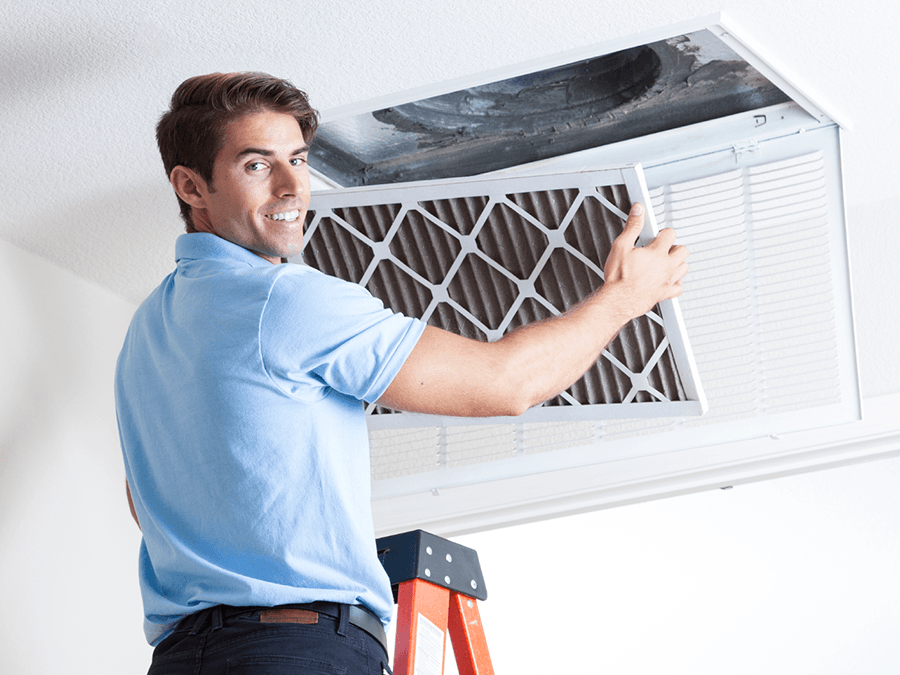
Your home’s heating, ventilation, and air conditioning (HVAC) system is often called its lungs, responsible for circulating conditioned air to keep you comfortable. But what if those lungs are dirty? The extensive network of air ducts hidden behind your walls and ceilings can become a reservoir for dust, allergens, and other contaminants. Over time, this buildup compromises not just your HVAC system’s efficiency but, more importantly, your home’s indoor air quality. Every time your system runs, it can distribute these pollutants throughout your living spaces, creating an invisible threat to your family’s health. This guide will illuminate what lurks within your ductwork, how to identify a problem, and what a professional duct cleaning entails, empowering you to make informed decisions for a healthier home environment.
Why Your AC Ducts Are Crucial for Indoor Air Quality
Most homeowners think of their HVAC system in terms of the furnace or AC unit, but the ductwork is the critical circulatory system that delivers treated air. When this system is compromised, the quality of the air you breathe is directly affected.
How Ducts Impact Your Home’s Health
Your home’s air ducts are designed to be a closed loop, circulating air from your living spaces, through the HVAC system for heating or cooling, and back again. In theory, this is an efficient process. However, this constant circulation means that any particles present in the air—from pet dander to dust kicked up from the carpet—are eventually pulled into the return ducts. While filters catch a significant portion of this debris, they aren’t foolproof. Over years of operation, a substantial amount of these contaminants can settle and accumulate on the interior surfaces of your ductwork. This creates a hidden breeding ground for pollutants that are then re-circulated into your home, degrading the overall indoor air quality and potentially triggering health issues.
Common Contaminants Found in AC Ducts
The environment inside your air ducts is dark and can sometimes be damp, making it an ideal repository for a variety of unwelcome substances. Understanding these common contaminants is the first step in recognizing the importance of maintaining clean ductwork.
Dust, Dirt, and Debris Accumulation
The most common substance found in any HVAC system is ordinary household dust. However, this “dust” is a complex mixture of things, including dead skin cells, clothing fibers, soil particles, and insect fragments. In addition to this, construction debris from renovations or even the initial home build—such as drywall dust, sawdust, and insulation fibers—can get trapped inside the ductwork. This layer of dust and debris not only harbors other contaminants but can also physically obstruct airflow, forcing your HVAC system to work harder.
Mold and Microbial Growth
Moisture is the enemy of a healthy HVAC system. If condensation is allowed to form within the air ducts due to high humidity, temperature differentials, or a leak, it creates the perfect environment for mold and microbial growth. A single mold spore, invisible to the naked eye, can quickly colonize a damp surface within the ductwork. As the HVAC system operates, it can dislodge and distribute millions of these spores throughout your home. This poses a significant health risk, as exposure to mold can cause allergic reactions, respiratory irritation, and more severe health problems for sensitive individuals.
Pollen, Pet Dander, and Dust Mites
For individuals with allergies or asthma, the contents of their air ducts can be a primary source of discomfort. Pollen from outdoors can easily enter the home and be drawn into the HVAC system. For pet owners, pet dander—tiny flecks of skin shed by animals—is a pervasive allergen that accumulates quickly within the ductwork. This collection of organic material also provides a food source for dust mites, microscopic creatures whose waste products are a potent allergen. A professional duct cleaning physically removes these built-up allergy triggers from the system.
Unwanted Guests, Pests and Rodents
Ductwork can sometimes become a thoroughfare or nesting place for insects, rodents, and other pests. Gaps in the ductwork or unsecured vent covers can provide easy access. Once inside, these pests leave behind droppings, nesting materials, and their own carcasses, all of which decompose and contribute to poor air quality. The presence of pests is a serious issue that demands immediate attention, as their waste can carry bacteria and viruses.
Bacteria and Other Biological Contaminants
Beyond mold, other biological contaminants can thrive within the protected environment of an AC duct system. Bacteria can colonize damp areas, particularly around cooling coils or in drain pans where moisture is prevalent. When the system’s fan turns on, these microorganisms can become aerosolized and spread throughout your home. This can contribute to a range of health concerns, from unpleasant odors to respiratory infections, highlighting the need to keep the entire HVAC system clean.
Is It Time to Clean Your AC Ducts? Key Signs to Watch For
While contaminants accumulate gradually, there are several distinct signs that your ductwork may be overdue for a professional inspection and cleaning. Paying attention to these indicators can help you address a potential air quality issue before it worsens.
Visible Indicators, Dust and Debris
One of the most straightforward signs is seeing dust and debris being discharged from your supply vents. If you notice puffs of dust when the system kicks on or find that surfaces near your vents become dusty very quickly after cleaning, it’s a strong indication that the ducts are saturated. You can perform a simple check by removing a vent register and carefully inspecting the inside of the duct with a flashlight. Visible buildup of dirt or debris is a clear signal.
Olfactory Warnings, Unpleasant Odors
Your nose is a powerful tool for detecting HVAC problems. A persistent musty or moldy smell emanating from your vents when the system is running often points to microbial growth somewhere within the ductwork or HVAC unit. Stale or other strange odors can also indicate an accumulation of dust and other stagnant debris. Since the ducts distribute air to every room, these unpleasant smells will permeate the entire house.
Worsening Allergies and Respiratory Issues
If you or your family members experience unexplained increases in allergy symptoms, asthma attacks, or other respiratory issues while inside the home, your air quality could be the root cause. When the air is laden with dust, dander, and mold spores from dirty ducts, it can constantly irritate the respiratory system. If symptoms seem to improve when you leave the house, it’s a strong clue that an indoor environmental factor, like your HVAC system, is the issue.
Reduced Airflow and Higher Energy Bills
Thick layers of dust and debris inside your ductwork create friction and obstruct the path of air. This reduced airflow forces your HVAC system to run longer and work harder to heat or cool your home to the desired temperature. This inefficiency will be reflected in your utility bills. If you notice a sudden, unexplained spike in energy costs or feel that the airflow from your vents is weaker than it used to be, clogged ducts could be the culprit.
Renovations, Pets, or Water Damage
Certain life events should prompt you to consider a duct cleaning. A recent home renovation, even a small one, generates a massive amount of fine dust that can easily overwhelm an HVAC filter and settle in the ducts. Bringing a new pet into the home introduces a new source of dander. Furthermore, if your home has suffered any water damage, such as from a leaky roof or plumbing issue, it’s critical to have the ductwork inspected for mold growth.
The Professional AC Duct Cleaning Process and What to Expect
A true professional duct cleaning is a meticulous and systematic process that goes far beyond a simple vacuuming of your vents. It involves specialized equipment and adherence to strict industry standards to ensure a thorough and safe cleaning.
Initial Inspection and Assessment
A reputable service begins with a comprehensive inspection of your HVAC system and ductwork. The technician will assess the level of contamination, look for any underlying issues like leaks or pest infestations, and determine the best approach for your specific system. This inspection is crucial for setting expectations and identifying any necessary repairs.
The Cleaning Methodology, Negative Pressure and Source Removal
The industry standard for duct cleaning is a method called “source removal” under continuous negative pressure. A powerful, HEPA-filtered vacuum system is connected to your main ductwork, creating strong suction that prevents dust and debris from escaping into your home. As the vacuum runs, technicians work their way through the system, using agitation tools to dislodge all contaminants from the interior surfaces of the ducts so they can be safely pulled into the collection unit.
Tools of the Trade such as Brushes, Whips, and Specialized Equipment
To dislodge stubborn debris, professionals use a variety of tools that are inserted into the ducts. These can include soft-bristled brushes on long, flexible cables that spin to scrub the duct walls, as well as compressed air whips that blast contaminants loose. This combination of agitation and powerful suction is what ensures a complete removal of built-up contaminants, something a standard vacuum cleaner cannot achieve.
Post-Cleaning Procedures: Sanitization and Sealing
After the physical debris is removed, some situations may call for the application of an EPA-registered sanitizer to address microbial growth like mold or bacteria. Additionally, during the process, the technician may identify leaks in the ductwork. Sealing these leaks is a vital step to improve HVAC efficiency and prevent future contamination, ensuring the long-term benefits of the cleaning.
DIY AC Duct Maintenance vs. Professional Cleaning: Making the Smart Choice
While homeowners can play a role in maintaining their HVAC system, it’s important to understand the limits of DIY efforts and recognize when professional expertise is essential.
What Homeowners Can Safely Do (DIY Maintenance)
Regular maintenance by the homeowner is crucial for good indoor air quality. This includes consistently changing your HVAC air filter every 1-3 months, which is the first line of defense against contaminants entering the system. You can also regularly vacuum your vent registers and grilles to remove surface dust and prevent it from falling into the ducts. Keeping your home clean in general will reduce the amount of dust available to be pulled into the system.
When Professional Help is Essential (Why DIY Isn’t Enough for Deep Cleaning)
DIY methods cannot replicate a professional duct cleaning. Home vacuums lack the power to create the necessary negative pressure and can actually stir up contaminants, pushing them further into the system or even into your living space. Furthermore, you cannot access the full length of the ductwork without specialized tools like long-reach brushes and whips. Attempting to do so risks damaging the flexible or delicate interior of your ducts, leading to costly repairs. For deep-seated debris, microbial growth, or post-renovation cleanups, professional service is the only safe and effective solution.
Selecting a Reputable AC Duct Cleaning Service Provider
The duct cleaning industry is unfortunately populated by some unscrupulous operators. Choosing a qualified and trustworthy company is paramount to getting a valuable service instead of a cursory, ineffective one.
Certifications and Standards: The NADCA Difference
Look for a company that is certified by the National Air Duct Cleaners Association (NADCA). NADCA members must adhere to a strict code of ethics and rigorous standards for cleaning procedures. They are required to have certified Air Systems Cleaning Specialists (ASCS) on staff, ensuring a high level of training and professionalism. This certification is the single best indicator of a reputable provider.
Equipment and Techniques
Ask potential providers about their process. A legitimate company will describe the use of a powerful truck-mounted or portable vacuum system to create negative pressure and will detail the agitation tools (brushes, whips) they use. Be wary of companies offering “blow-and-go” services for suspiciously low costs, as they often lack the proper equipment for a true source removal cleaning.
Transparency and Customer Service
A reputable provider will offer a detailed inspection and a clear, itemized quote before any work begins. They should be willing to answer all your questions about the process, the equipment they use, and what the service costs will cover. Avoid companies that use scare tactics or high-pressure sales techniques.
Post-Service Assurance
After the cleaning is complete, the company should show you evidence of their work, whether through before-and-after photos or a visual inspection of the now-clean duct interiors. They should leave your home as clean as they found it and provide a detailed receipt for the services performed.
Addressing Common Concerns and Misconceptions
Even with a better understanding of the process, homeowners often have questions about the necessity and frequency of duct cleaning.
How Often Should AC Ducts Be Cleaned?
There is no single answer that fits every home. The general recommendation from NADCA is to have your air ducts inspected every 3 to 5 years. However, you should consider more frequent cleaning if you have pets that shed heavily, family members with allergies or asthma, have recently completed a major home renovation, or if an inspection reveals a significant issue with debris or mold growth. Ultimately, the decision should be based on a professional inspection and your specific household circumstances.
Your home’s AC ducts are an out-of-sight, out-of-mind component of your HVAC system, yet they play a central role in your family’s health and comfort. The accumulation of dust, dander, debris, and potential microbial growth within this network directly impacts your indoor air quality, can aggravate health conditions, and diminish your system’s efficiency. By recognizing the warning signs of dirty ductwork—from visible dust and strange odors to worsening allergies and high energy bills—you can take proactive steps.
While diligent DIY maintenance like changing filters is essential, a thorough, deep cleaning is a job for certified professionals equipped with the right tools and knowledge. When choosing a provider, prioritizing NADCA certification, transparent practices, and a commitment to source removal methodology is key. Investing in a professional duct cleaning isn’t just about removing dirt; it’s a critical step toward ensuring the air circulating in your home is as clean and healthy as possible, allowing your family to breathe easier.