

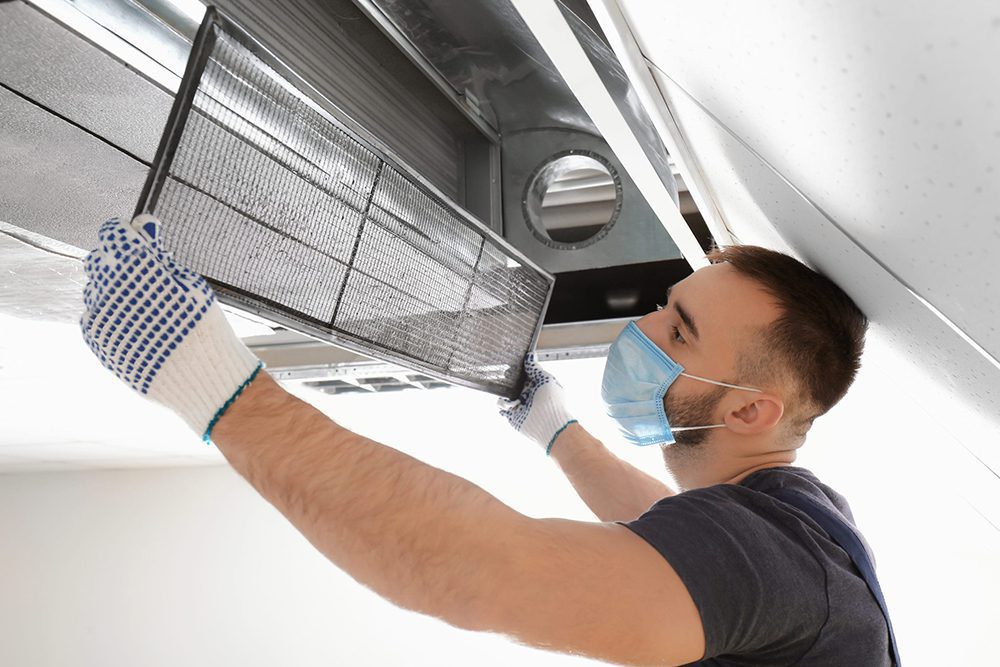
Your air conditioning system circulates up to 1,000 cubic feet of air per minute through your ductwork—and in Dubai, everything inside those ducts comes with it. Desert dust, mold spores, sand particles from shamal storms, and biological contaminants don’t stay in the ducts. They get distributed into every room of your home or apartment, affecting your health, your comfort, and your DEWA bill.
The question isn’t whether your AC ducts need cleaning eventually—it’s whether they need attention right now. In Dubai’s climate, where AC systems run 12 months a year and outdoor air carries far more particulate matter than most cities, ductwork deteriorates faster than global averages suggest. According to EPA research, while routine duct cleaning isn’t always necessary, certain conditions create immediate health and efficiency concerns that demand action.
The seven warning signs below will help you decide whether your AC ducts need professional cleaning now—or whether you can safely wait.
1. Visible Mold Growth Around or Inside Your Vents
Mold in your AC ducts isn’t just unsightly—in Dubai’s humidity, it’s one of the most urgent signs your system needs professional attention. If you spot fuzzy black, green, or white patches around vent openings or on the duct interior visible through a grille, this qualifies as an emergency cleaning situation.
Dubai’s coastal humidity—particularly in areas like Dubai Marina, JBR, Business Bay, and Jumeirah—creates ideal conditions for mold growth inside ductwork. When humidity inside ducts exceeds 50%, condensation develops on cool duct surfaces and biological growth follows quickly. The mold spores then circulate through your entire home with every cooling cycle, triggering allergic reactions, asthma flare-ups, and respiratory irritation.
Here’s what makes mold in Dubai ducts particularly dangerous: what’s visible at the vent is almost always the tip of the problem. Mold growth you can see near grilles typically indicates more extensive contamination deeper in the system. DIY removal won’t resolve it. Professional remediation in Dubai addresses both the mold itself and the moisture source—whether that’s a leaking drain pan, poor duct insulation, or excessive system condensation—to prevent rapid regrowth.
2. Musty, Stale, or Burning Odors Coming from Vents
If your AC kicks on and brings with it a musty smell, stale odor, or any kind of burning scent, you’re circulating whatever is decomposing or accumulating inside your ductwork into every room you breathe in.
In Dubai, musty odors from vents most commonly indicate mold or bacterial growth caused by moisture accumulation—a year-round risk given the climate. Biological buildup from trapped humidity, decomposing insects, and dust creates persistent odors that no air freshener will fix because the source is inside the duct system itself.
A burning or smoky smell requires immediate attention. This can indicate accumulated dust on heating elements, overheating components, or electrical issues—all potential fire hazards in your ceiling cavity. Don’t ignore it or assume it will clear on its own.
A practical test: open your windows and air out the apartment for an hour. If the smell disappears but returns within minutes of the AC cycling back on, your ductwork is the source. This pattern almost always worsens with each passing season if left unaddressed.
3. Allergy or Asthma Symptoms That Worsen Indoors
When you feel better outdoors or at the office than you do in your own home, your AC duct system may be the reason. Ductwork acts as a reservoir for allergens—pollen blown in from outside, pet dander, dust mites, mold spores, and fine desert sand particles—that recirculate continuously through your living space every time the system runs.
The pattern is often revealing: symptoms improve when you leave the apartment but return shortly after coming home. Persistent sneezing, itchy eyes, congestion, or respiratory irritation that seems worse than it should be given outdoor conditions is a strong indicator.
This concern is amplified in Dubai for a few reasons. First, people in Dubai spend significantly more time indoors than in cooler climates—your home AC is running and recirculating air almost constantly. Second, Dubai’s outdoor air already carries high levels of fine particulate matter from desert dust, meaning your indoor air quality needs to be better than average to compensate—not worse. If over-the-counter antihistamines provide only temporary relief while indoor symptoms persist, cleaning the source is more effective than managing the symptoms.
4. Reduced Airflow or Uneven Cooling Across Rooms
When one bedroom is consistently warmer than the rest of the apartment, or when you can barely feel air movement near a vent despite the AC running at full capacity, accumulated debris is almost certainly restricting airflow in that duct branch.
Blockages from compacted dust, pet hair, and construction debris narrow the effective diameter of duct passages, creating turbulence and dead zones where air stagnates. In Dubai, where many buildings have gone through multiple tenant cycles and renovation works, duct blockages are common—especially in older buildings in areas like Deira, Bur Dubai, and Al Quoz.
The problem compounds over time. Restricted airflow means less air movement through the system, which means less self-clearing of debris, which accelerates further accumulation. The blower motor runs longer cycles while delivering weaker results—which brings us directly to the next warning sign.
5. Unexplained Increases in Your DEWA Bill
Dubai electricity costs are already among the highest considerations for residents. When your DEWA bill spikes without any change in your usage habits or temperature settings, dirty ductwork is one of the most common causes—and one of the most overlooked.
Accumulated debris creates resistance throughout the duct system, forcing your AC to run longer and harder to reach the set temperature. Research on HVAC maintenance suggests restricted airflow can increase energy consumption by up to 40% in severely neglected systems. In Dubai’s climate, where your AC runs year-round, that inefficiency compounds into a significant annual cost.
Before booking a cleaning, pull three to four months of DEWA bills and compare them to the same period last year, adjusting for weather differences. A consistent 15 to 20 percent increase without a clear explanation is a strong signal. Beyond the cost impact, this extra strain accelerates wear on compressors and blower motors—expensive components that Dubai’s demanding climate already pushes hard.
6. Evidence of Pests in or Around Your Ductwork
If you find droppings near vents, hear scratching sounds during system operation, or notice chewed insulation around duct openings, your ductwork has become a habitat. Rodents and insects view air ducts as protected corridors and nesting sites, and what they leave behind—droppings, urine, shed skin, decomposing bodies—becomes airborne every time your AC runs.
The EPA identifies vermin infestation as one of the clear-cut cases where professional duct cleaning is necessary rather than optional. In Dubai, cockroach activity inside ductwork is more common than most residents realize, particularly in older apartment buildings. Rodent activity, while less common, does occur—especially in villas near undeveloped land.
Pest presence in ducts often coincides with moisture problems that promote mold growth, creating a dual threat. If you confirm pest activity, immediate professional intervention prevents both health hazards and potential structural damage to the ductwork.
7. Thick Dust Accumulating Around Vents Within Days of Cleaning
Normal household dust settles evenly across surfaces throughout a room. Dust sourced from contaminated ducts concentrates heavily around vent openings—this distinction is a reliable diagnostic test you can do yourself.
Wipe down a vent cover completely, then check it again after 48 hours of normal AC operation. If you observe a visible dust layer forming around the grille, your ducts are actively distributing contaminated air into your home. In Dubai, where fine desert sand particles can infiltrate even well-sealed buildings, this test can reveal how much of what’s accumulating on your furniture is coming from inside your own AC system.
Rapid dust reaccumulation near vents often accompanies musty odors—a combination that typically indicates biological growth has begun inside the duct walls, making prompt cleaning essential.
The 2-Foot Rule: A Practical Self-Check
You don’t need specialized equipment to do a basic duct inspection. Shine a torch into your supply or return vent opening and look at the first two feet of visible ductwork. If you can see thick dust layers, fuzzy growth, pest debris, or significant buildup coating the interior surfaces, your entire system likely needs professional attention.
This works because visible contamination in accessible sections almost always reflects conditions deeper in the network. When the first two feet show significant buildup, airflow is already compromised throughout. It’s a reasonable decision threshold for determining whether professional cleaning is worth scheduling now—especially before investing in other HVAC repairs.
What Duct Cleaning Cannot Fix (Important Limitations)
Understanding the boundaries of duct cleaning helps you avoid spending money on the wrong solution. Cleaning removes accumulated contamination—it does not fix the root causes that led to it.
If moisture is actively entering your system through a leaking drain pan, poorly insulated ducts, or gaps in duct connections (common in older Dubai buildings), mold will return within months of cleaning unless the source is addressed. Similarly, if your ducts have tears or poor sealing—which allows attic dust or cavity air to enter the system—cleaning addresses the symptom, not the problem.
The EPA notes that duct cleaning alone has not been proven to prevent health problems, and most routine dust in homes comes from indoor activities rather than dirty ducts. The situations where cleaning provides clear, measurable benefit are those involving visible mold, vermin infestation, pest debris, post-construction contamination, or substantial blockages. The difference between preventive cleaning (rarely necessary) and responsive cleaning (when specific problems exist) is worth understanding before you book a service.
Key Takeaways for Dubai Residents
Dubai’s climate—year-round AC use, desert dust, coastal humidity—means ductwork deteriorates faster and requires more frequent professional attention than global guidelines suggest. Most professional HVAC companies operating in Dubai recommend a full duct clean every 6 to 12 months, with AC filters cleaned every 3 to 4 months in between.
When any of the seven warning signs above appear, treat them as indicators of a genuine problem rather than routine wear. And when you do book a cleaning service in Dubai, prioritize NADCA-certified companies that use Dubai Municipality-approved sanitization chemicals, provide before-and-after camera inspection, and give transparent pricing based on your system’s actual scope—not an arbitrary flat rate. Proper AC duct cleaning in Dubai requires specialized equipment and trained technicians. A powerful vacuum and a quick pass through the vents is not the same thing.
Your home’s air quality in Dubai starts with what’s inside your ductwork. The sooner you address warning signs, the less expensive—and less damaging to your health—the solution will be.